How to use n8n — a comprehensive step-by-step guide
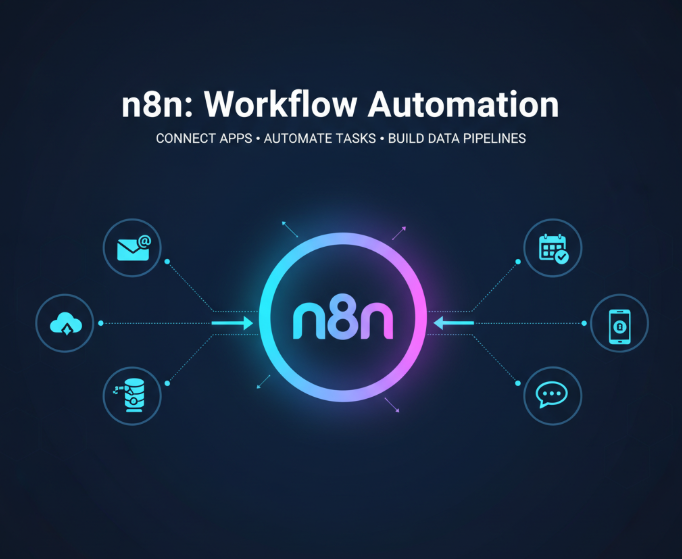
n8n is an open-source, low-code workflow automation tool that you can run locally, self-host in production (Docker, Docker-Compose, Kubernetes), or use as a hosted Cloud plan.
Explore practical writing on fintech AI, RAG chatbots, trading dashboards, payment integrations, automation, and full-stack AI product engineering.
These posts are shaped by production work across trading systems, fintech SaaS, AI-driven analytics, RAG assistants, mobile apps, payment integrations, and automation-heavy software.
Market data, dashboards, alerts, charting, portfolio analytics, and the architecture behind live financial products.
RAG pipelines, semantic search, intelligent assistants, and how AI features fit into complete applications.
Django, FastAPI, React, React Native, databases, APIs, performance, security, and deployment workflows.
n8n is an open-source, low-code workflow automation tool that you can run locally, self-host in production (Docker, Docker-Compose, Kubernetes), or use as a hosted Cloud plan.
AI agents are rapidly becoming central to the next wave of innovation—autonomous assistants, reasoning bots, multi‑step workflows, agents that interact with tools/APIs, perform tasks inside UIs, coordinate with humans, and more.
The rapid growth of large language models (LLMs) and transformer architectures has driven the demand for specialized hardware. While GPUs have been the traditional choice, Google Cloud TPUs (Tensor Processing Units) offer significant acceleration for deep learning workloads, especially when working
Shopping isnΓÇÖt merely a task anymore; it's an experience to be savoured and enjoyed. And in 2025, virtual retail is taking it to new heights. Enter the virtual store, a fusion of technology and retail that's redefining how we browse and buy
3D virtual stores are transforming the online shopping experience itself as e-commerce evolves. With such virtual stores, a shopper can roam around, touch, and interact with products, just like in a real store while sitting at home.
The AI and machine learning ecosystem has grown rapidly, with PyTorch and TensorFlow emerging as two of the most widely adopted frameworks. Choosing between them depends on project requirements, developer expertise, ecosystem compatibility, and deployment goals.
Page 4 of 5
Yes. The content is geared toward production-minded engineering across AI systems, analytics products, fintech use cases, and scalable application architecture.
Yes. Topics include payment integrations, real-time APIs, dashboards, market-data workflows, and the infrastructure behind responsive product experiences.
Use the services page to understand delivery scope, the projects page to see examples, and the workflows page to explore automation use cases.